Staying Safe in the Summer Heat: Heat Illness Prevention & Awareness
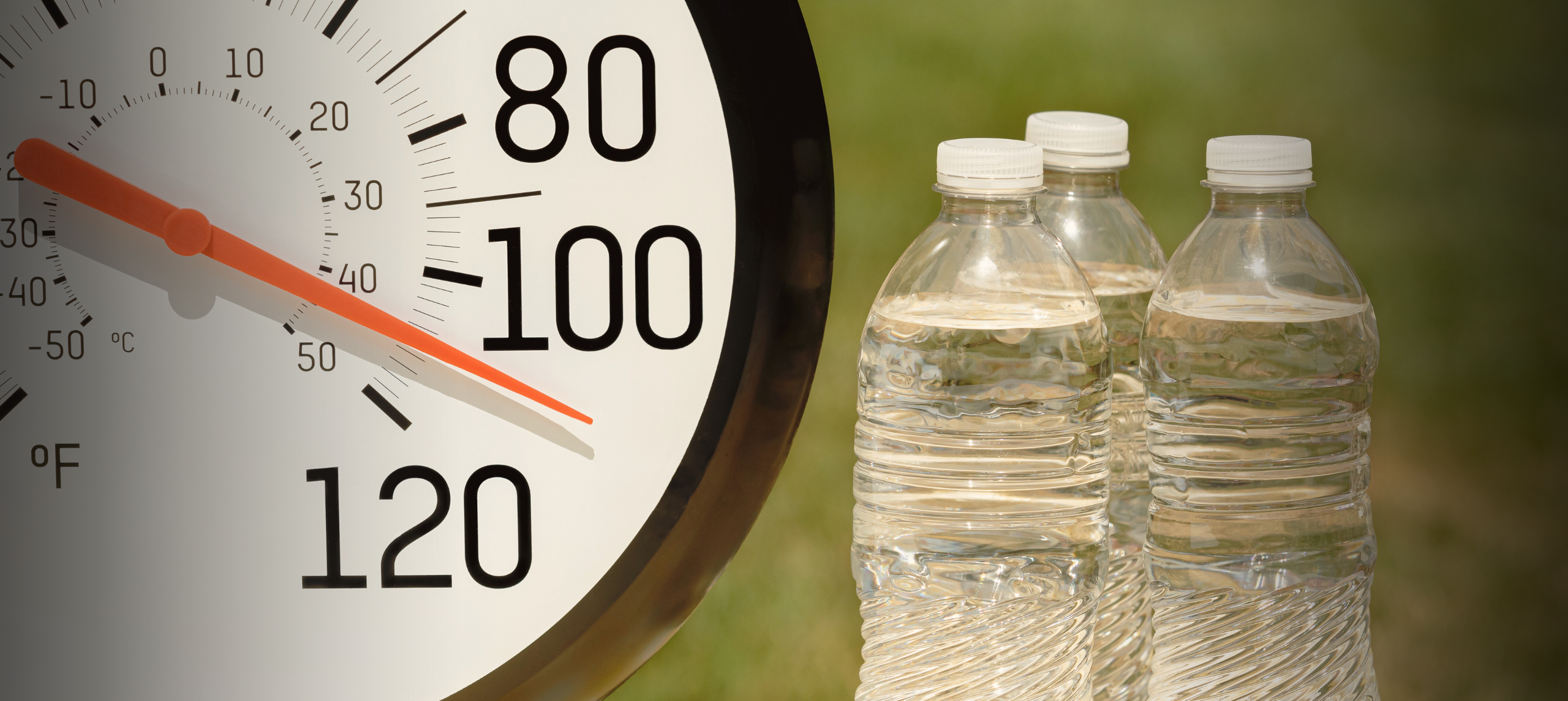
Heat illness is a serious health risk, particularly for employees working in hot environments, such as school bus drivers who are regularly in the heat before, during, and after routes. It’s important that employees understand the risks of heat-related hazards and how to prevent heat-related illness.
What is Heat Illness?
Heat illness refers to a range of health problems that occur when the body becomes overwhelmed by heat, and poses significant risks to people in environments where high temperatures, humidity, or strenuous physical activity are common.
Environmental risk factors for heat illness can include:
– Ambient heat index that exceeds 90 degrees F
– Radiant heat from the sun and other sources
– Conductive heat sources such as dark-colored work surfaces
– Lack of air movement
– Physical effort needed for the work being performed
– Use of nonbreathable protective clothing or other personal protective equipment
Personal risk factors for heat illness can include:
– Lack of acclimation to warmer temperatures
– Poor general health
– Dehydration
– Caffeine consumption
– History of previous heat-related illness
– Use of prescription medications that affect the body’s water retention or other physiological responses to heat
Types of Heat Illness & Symptoms
The risks associated with heat illness can vary from mild discomfort to extreme ailments and even life-threatening conditions.
– Heat rash is the most common health problem in hot environments. While heat rash is generally not dangerous, it can be uncomfortable and signal that the body is struggling to regulate temperature. Symptoms can include red bumps and itching or irritation, especially in areas where sweat collects.
– Heat stress can impair mental performance and cognition, and increase the likelihood of accidents or injury. As the body becomes overheated, the brain becomes less effective at processing information and individuals may experience confusion; difficulty concentrating; reduced alertness; and poor coordination.
– Heat exhaustion occurs when the body becomes dehydrated and overheated. If left untreated, heat exhaustion can cause your core temperature to rise dangerously, leading to heat stroke, which can be fatal. Symptoms of heat exhaustion can include heavy sweating; weakness or fatigue; dizziness or lightheadedness; nausea and vomiting; headache; muscle cramps; and pale, clammy skin.
– Heat stroke is the most severe form of heat illness and is considered a medical emergency. It occurs when the body’s temperature rises to dangerous levels, above 104°F or 40°C. Without immediate medical intervention, heat stroke can result in organ failure, permanent brain damage, or death. Symptoms of heat stroke can include confusion or altered mental state; hot, dry skin (without sweating); rapid, strong pulse; loss of consciousness; and seizures. If heat stroke is suspected, emergency responders should be summoned immediately.
Preventing Heat Illness
OSHA recommends workplaces develop a Heat Illness Prevention Plan (HIPP) to protect team members from increasing temperatures and conditions. The HIPP should outline specific measures to prevent heat illness, provide immediate treatment when necessary, and ensure overall workplace safety in hot conditions.
Employees can also play a direct role in preventing heat illness:
– Monitor daily weather reports and remain vigilant when air temperatures rise quickly.
– Stay hydrated by frequently drinking small amounts of water before becoming thirsty.
– Implement a buddy system. Remind each other to drink water, use shade to stay cool, and watch each other for symptoms of heat-related illness.
– Be aware of the signs of heat-related illnesses and encourage co-workers to immediately report if they begin to see symptoms in others.
Closing Remarks
Heat illness presents a significant risk to both physical health and workplace safety. Employees can take a proactive stance by being aware of the symptoms and dangers of heat-related illness, while a Heat Illness Prevention Plan can help teams monitor for heat-related symptoms, know when to call for emergency care, and ensure ongoing improvement of local safety protocols.
By taking these steps together, you can significantly reduce the risks of heat illness and ensure a safer, healthier workplace for all employees.
Learn more about how STA supports our team members