Driving Efficiency & Safety: How Technology is Transforming Student Transportation
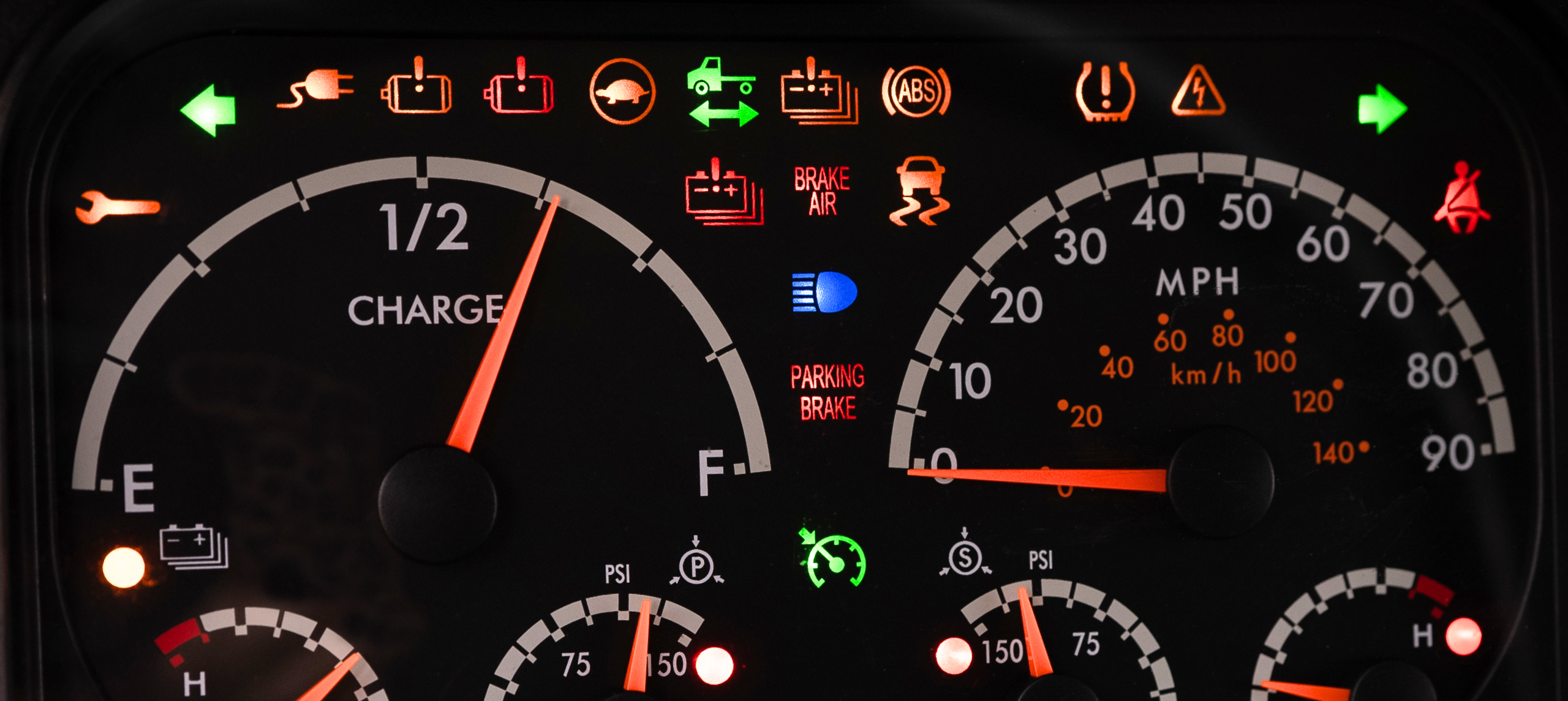
School transportation is one of the largest, most complex operations a school district manages – and also one of the most vital. Each day, millions of children rely on yellow buses not only to get to class, but to get there safely, efficiently, and on time.
Technology is playing a central role in meeting those expectations. From safety innovations that protect students at the bus stop to operational tools that cut costs and improve performance, school transportation is evolving rapidly. Districts that invest in these solutions are seeing measurable improvements in safety, accountability, and ROI.
Raising the Bar On Safety
The most important role of any school bus is to protect the children on board. Today’s buses are equipped with a range of technologies designed with that mission in mind.
Stop-Arm Cameras: One of the biggest dangers to students occurs when they are boarding or leaving the bus. Despite strict traffic laws, some drivers still attempt to pass stopped school buses. Stop-arm cameras, mounted on the side of buses, capture video and license plate information of vehicles that illegally pass. This technology not only helps law enforcement hold drivers accountable, but also acts as a deterrent to keep kids safer at bus stops.
Real-Time Security & Driver Coaching Cameras: Equipped with AI and machine-learning capabilities, forward and driver-facing cameras help reduce risk by monitoring driver performance, allowing management and safety leaders to coach and recognize high-performing drivers. Additional cameras throughout the body of the vehicle, integrated with the driver-facing units, can be important safety tools that assist in the safe management of student behavior.
Student Ridership Systems & Vehicle Tracking Apps: Radio-frequency identification (RFID) cards allow schools and parents to know when and where a student gets on or off the bus. This helps in ensuring no student is left behind, adds an extra layer of security, and provides real-time accountability, while GPS-based vehicle tracking apps provide reliable tracking and notifications, helping families stay informed about locations and delays.
Optimizing Operations
Technology isn’t just improving safety – it’s transforming how school bus fleets are managed.
GPS Tracking & Route Management: Our onboard GPS systems offer real-time and historical vehicle tracking and driver performance data, enhancing important decision-making and upholding safe driving practices. Specialized software can create smart routing based on traffic, timing, and school schedules, leading to potentially significant savings in time, fuel, and money.
Preventive Maintenance & Telematics: A well-maintained bus is a safe bus. Our fleet software tracks repair history and helps ensure every vehicle is properly maintained at appropriate intervals, identifying potential issues before they become major problems – maximizing vehicle lifespans and keeping the fleet at its best.
Driver Communication & Fleet Oversight: Two-way communication systems including integrated, onboard digital tablets improve dispatch-to-driver communication, ensuring quick response to weather events, rerouting, and emergencies. This level of centralized oversight strengthens operational control while reducing administrative inefficiencies.
Driving ROI & Sustainability
Investing in fleet technology is not only about safety – it’s about efficiency and long-term sustainability.
- Fuel & Cost Savings: Reduced mileage and lowered idling improve efficiency and directly lower fuel costs.
- Cleaner Air: Electric, hybrid, and alternative fuel-powered buses support sustainability goals and contribute to cleaner air around schools and neighborhoods.
- Stronger Community Trust: Transparent, reliable, and efficient transportation builds credibility with parents, staff, and local stakeholders.
Preparing for the Future
Technology is reshaping every aspect of student transportation, and school districts that adopt these tools are not just modernizing their fleets – they’re setting higher standards for safety and efficiency while optimizing budgets.
The yellow bus remains the safest way to transport students, and with the integration of advanced technology, it’s also becoming the most accountable, efficient, and sustainable. For transportation leaders, the message is clear: investing in technology isn’t just an upgrade – it’s a commitment to safer students, smarter operations, and stronger communities.
Learn more about how STA is driving the future.